.png)
Public Speaking with Dyslexia: Designing for Accessibility

Updated: Sep 15, 2025
Even when we live with a neurodevelopmental difference—something that makes acclimating to this world more difficult—we still find ways to function, even in systems that weren’t designed with our neurology in mind. For me the challenge shows up in reading and speaking, in processing text and word finding, and the difficulty is real. It can interrupt communication, expression, and connection. I continually find ways to press forward, nonetheless.
Why I stopped trying to “overcome” and started building environments that work
I used to think public speaking wouldn’t be possible for me—especially with dyslexia. And the circumstances that make it easier—good sleep, the right venue, familiar material—aren’t always available. But when I can align those variables and pair them with repetitive practice, I’ve found some relief. The performance anxiety I used to experience isn’t gone, but it’s no longer as intense or disruptive as it once was.
As I often discuss, when it comes to anxiety, the best way forward is graduated exposure. Incremental moves push us deeper and deeper into our discomfort and emotions. This is essentially titrating stress. And this process creates new experiences. And these new experiences can become new emotional learning, easily remembered and top of mind, according to Michelle Craske, UCLA researcher.
So, there is utility in pushing through. In practicing. In designing scaffolds that support us. Over time, we find our way—not because the world has changed, but because we’ve learned how to mindfully navigate it. That’s not assimilation. It’s adaptation. It’s the quiet brilliance of neurodivergent minds refusing to disappear and speaking even though we’ve had countless stumbles; hiccups; dysfluent, awkward lost moments; and countless instances of being misunderstood. It is saying, “I refuse to give up!”
It’s Not Just Reading—It’s Speaking Too!
The challenges aren’t limited to reading. Speaking itself can become difficult—especially under stress. It’s not just anxiety. It’s the interaction of stress with anomia, a neurological difficulty with word retrieval that’s often linked to developmental dyslexia and other cognitive conditions. It’s not a lack of knowledge—it’s that the word I want is there, but inaccessible. That disruption doesn’t just show up when I’m nervous; it can surface anytime, though it’s far more likely in high-pressure moments.
The Myth of “Overcoming”
People often assume that because I’m confident, credentialed, and professionally successful, I must’ve somehow “overcome” my dyslexia. That’s false. I haven’t outgrown it, cured it, or left it behind. I’ve learned to work with it—strategically, creatively, and sometimes painstakingly. But it’s still there, shaping how I prepare, how I speak, how I read, and how I recover from high-pressure moments.
The assumption that success equals resolution is inaccurate and dismissive of the ongoing cognitive labor involved. Dyslexia doesn’t disappear with degrees or accolades. What changes is my ability to design environments, formats, and rhythms that support how my brain works. That’s not overcoming—it’s adapting with intention.
What Helps—and What Still Challenges Me
Reading aloud is particularly tough. I tend to skip words or mispronounce them. If I have to read publicly, I’ll rehearse it 50 times to increase the likelihood of success.
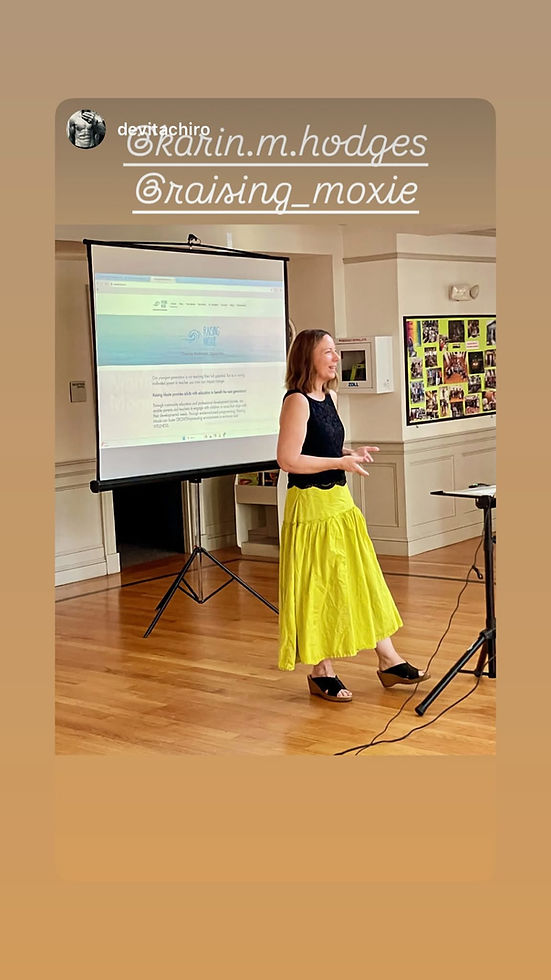
What’s made the biggest difference is presenting—not reading—familiar material, especially across varied audiences. Repetition has been a powerful tool for building fluency as a public speaker. Weekly presentations to my business network have been especially transformative. They’ve helped me unlearn the presentation anxiety shaped by competitive schooling and high-stress professional conferences, where emotional intensity and envy were rampant. In such conferences, where colleagues were navigating their own feelings of competition or burnout, language became increasingly difficult for me to access—especially with dyslexia and anomia in play. I was often overwhelmed by being in the spotlight in such fractured systems. And over time, that dynamic contributed to learned helplessness.
Now, I seek out spaces that support fluency and accessibility - more cohesive working groups. Weekly gatherings with my business network, and environments like MIT and the Tremont School offer scaffolding that helps me show up as fully as possible. For me, these are accessible spaces, and they’ve helped me reclaim ease. At the same time, I continue to stretch into situations and settings that carry some stress—just enough to keep growing my adaptability. Dyslexia is still part of my reality, and I actively create difficult yet well supported experiences that challenge the anxiety threatening to undermine performance. It’s not about erasing the difficulty—it’s about continually adapting and stretching.
Recording myself has helped. Hearing myself back builds confidence and clarity. I’ve also started thinking about using one-word flashcards for “free speaking” in high-stakes situations like town halls—something simple to anchor me when I’m moved to speak. Interestingly, when I’m offering presentations, a sound system that allows me to hear my voice back makes an enormous difference for me.
And during longer talks where I must read out loud (because there is some formality I need to adhere to, introductions or acknowledgements, for example) - I’ve experimented with handwritten flashcards as a way to reduce the number of words on each page. That shift in formatting helps lighten the cognitive load when reading and makes the experience more scaffolded - more manageable.
Designing for Accessibility, Not Perfection
It’s not about pushing through—it’s about designing for accessibility. That means choosing the right materials, the right audience, and the right format. When those align, I can speak with clarity and conviction. And when they don’t, I give myself permission to adapt. And though it may be surprising to hear, I’m still adapting. I’m preparing for a two minute testimony on the Right to Read legislation and needing to decide my strategy. Will I just use my phone and scroll? How big should I make the font? Will flashcards make me go too slowly? Should I bring a piece of paper? So far I’ve been practicing on my phone and I’ve done so with family and friends. I stumbled on a couple of words the other day when I was tired. I’ll try to make a decision. I will choose a strategy, figure out what works, and push through.
References
Abramowitz, J. S., Deacon, B. J., & Whiteside, S. P. H. (2019). Exposure therapy for anxiety: Principles and practice (2nd ed.). Guilford Publications.
Craske, M. G. (2022). The future of CBT and evidence‐based psychotherapies is promising. World Psychiatry, 21(3), 417–419.
Craske, M. G., & Barlow, D. H. (2022). Mastery of your anxiety and panic: Therapist guide (5th ed.). Oxford University Press.
Gunther, L. M., Denniston, J. C., & Miller, R. R. (1998). Conducting exposure treatment in multiple contexts can prevent relapse. Behaviour Research and Therapy, 36(1), 75–91.
Zbozinek, T. D., Tanner, A. S., & Craske, M. G. (2022). Starting fear is a stronger predictor of long-term fear than rate of change in fear in human fear conditioning. Journal of Experimental Psychopathology, 13(3), 204380872211123.


